A garden among dunes in Portugal
Date
2023
Location
Setúbal (Portugal)
Type
Residential
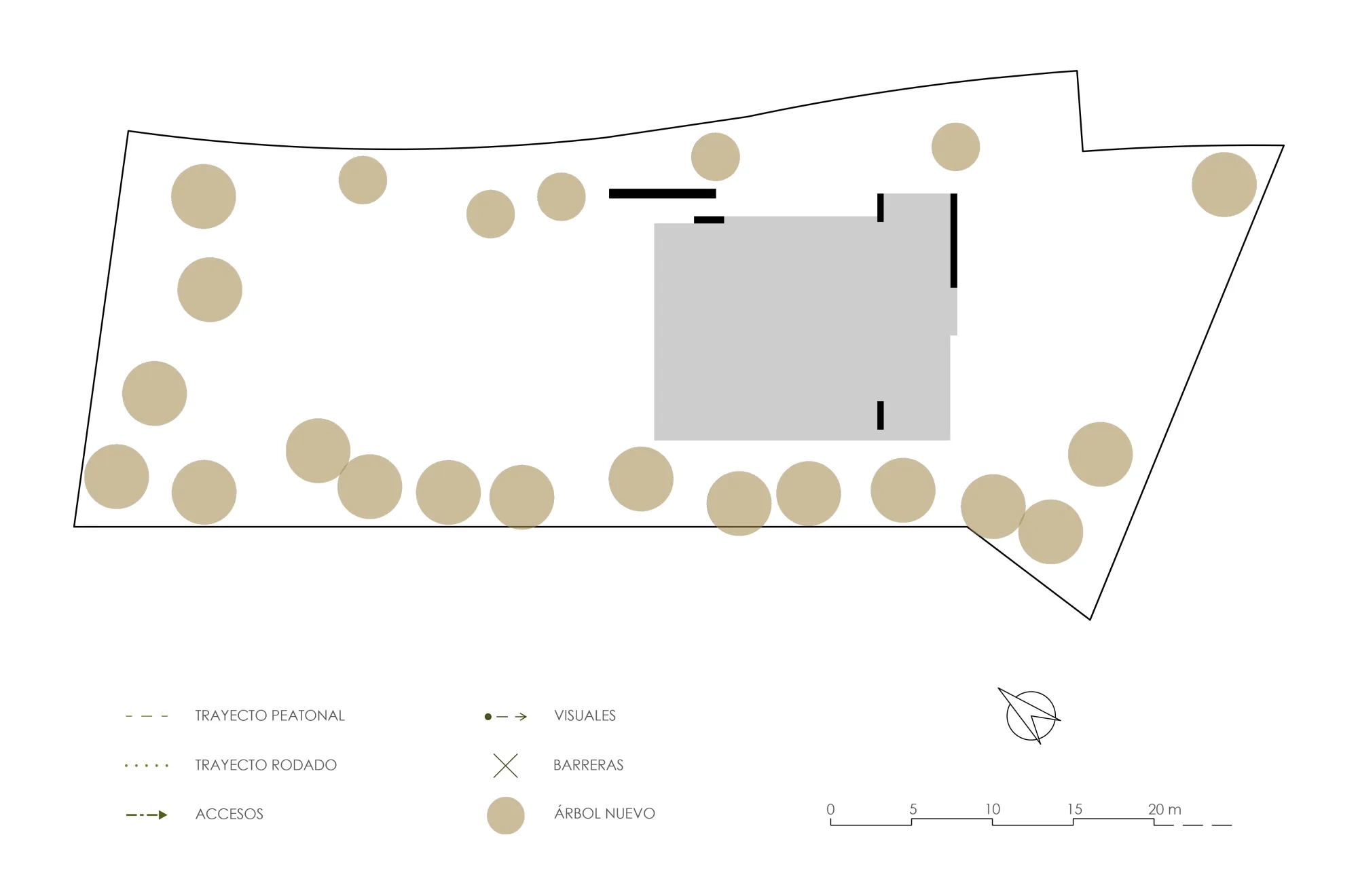
Trees
22
Area
1.750 m2
Status
Concept
In coastal environments, garden design takes on a deeper significance. It’s not simply about enhancing the surroundings, but about creating a meaningful dialogue between the home, its inhabitants, and the natural landscape that shapes the place. A well-designed garden can transform a house into a sanctuary — a quiet, sheltered space that interacts gracefully with the wind, the sand, the ocean and the native vegetation.
Our project in the dunes of Setúbal (Portugal) embodies this philosophy. Designing a garden within a dune landscape requires a careful, measured approach: the ecosystem is fragile, and factors such as shifting sands, coastal winds and proximity to the sea play a decisive role in plant life.
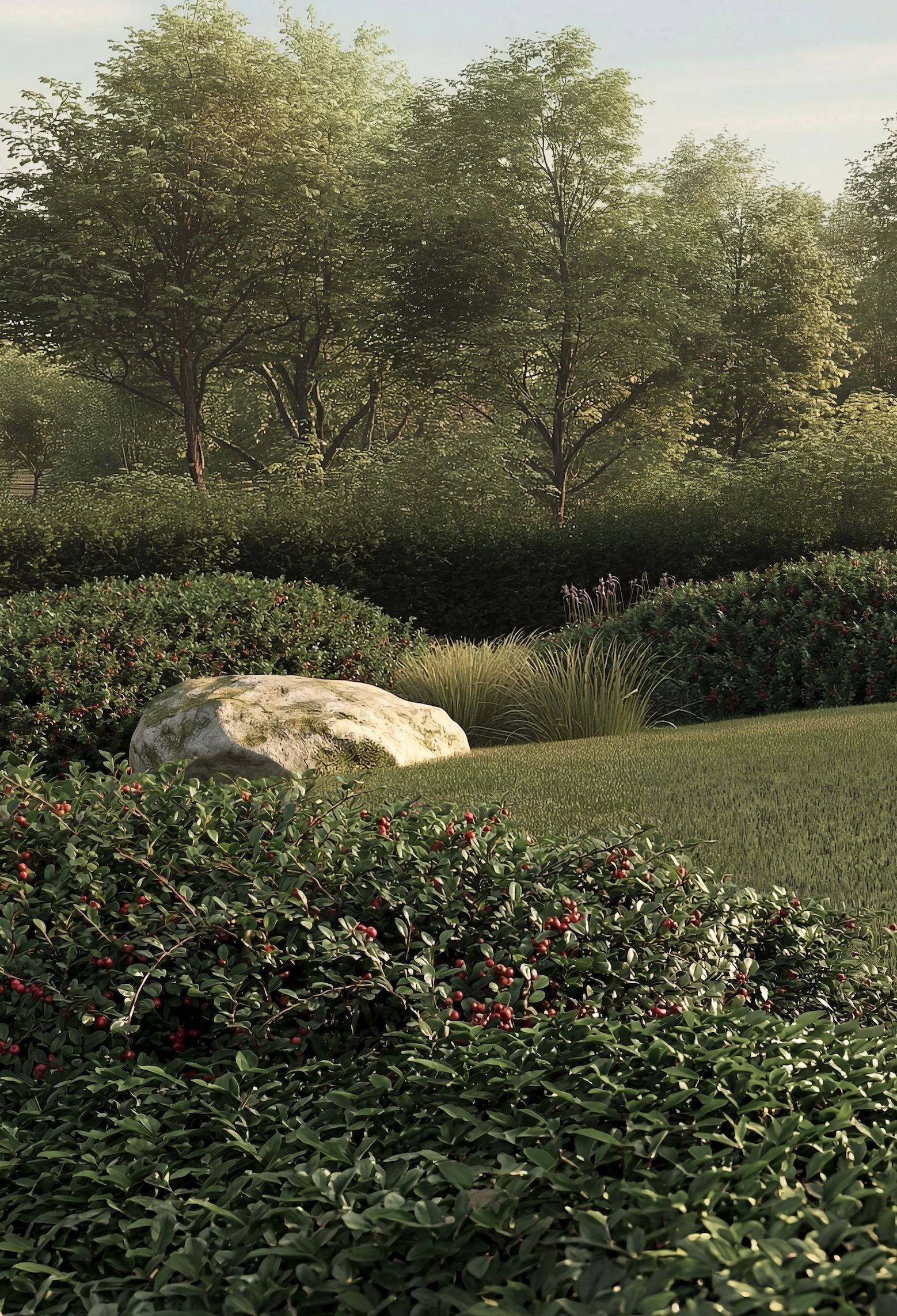

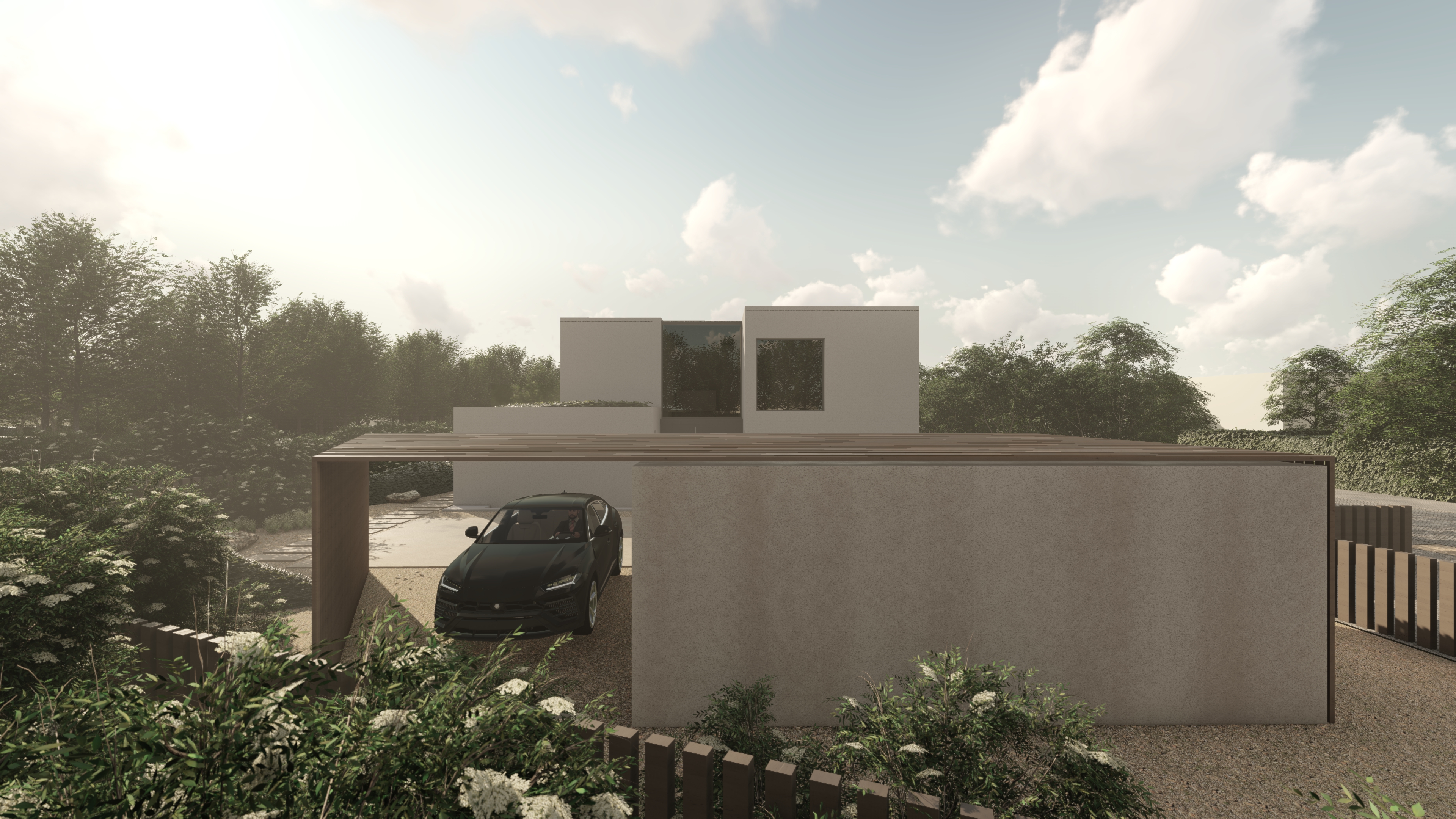
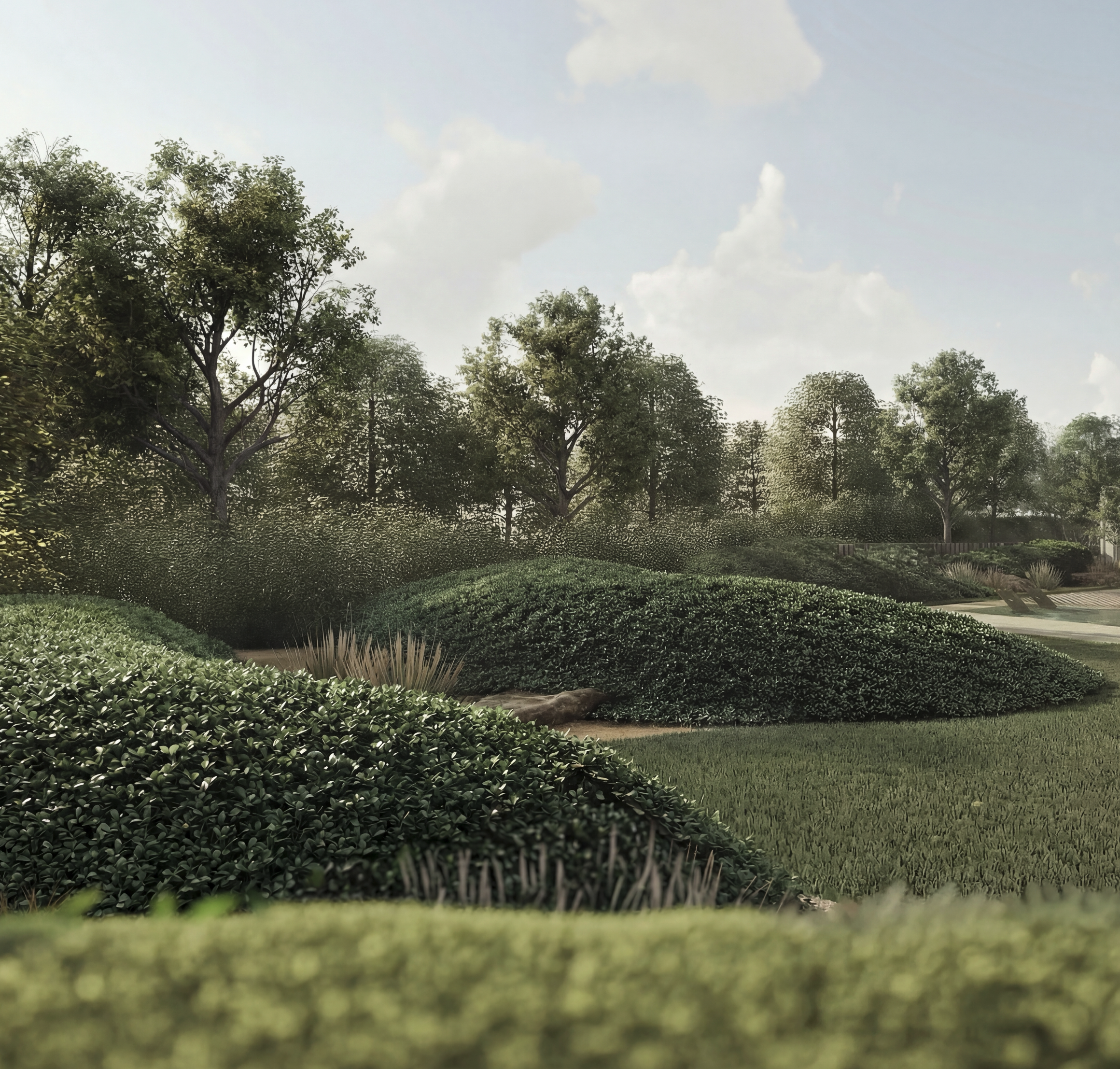
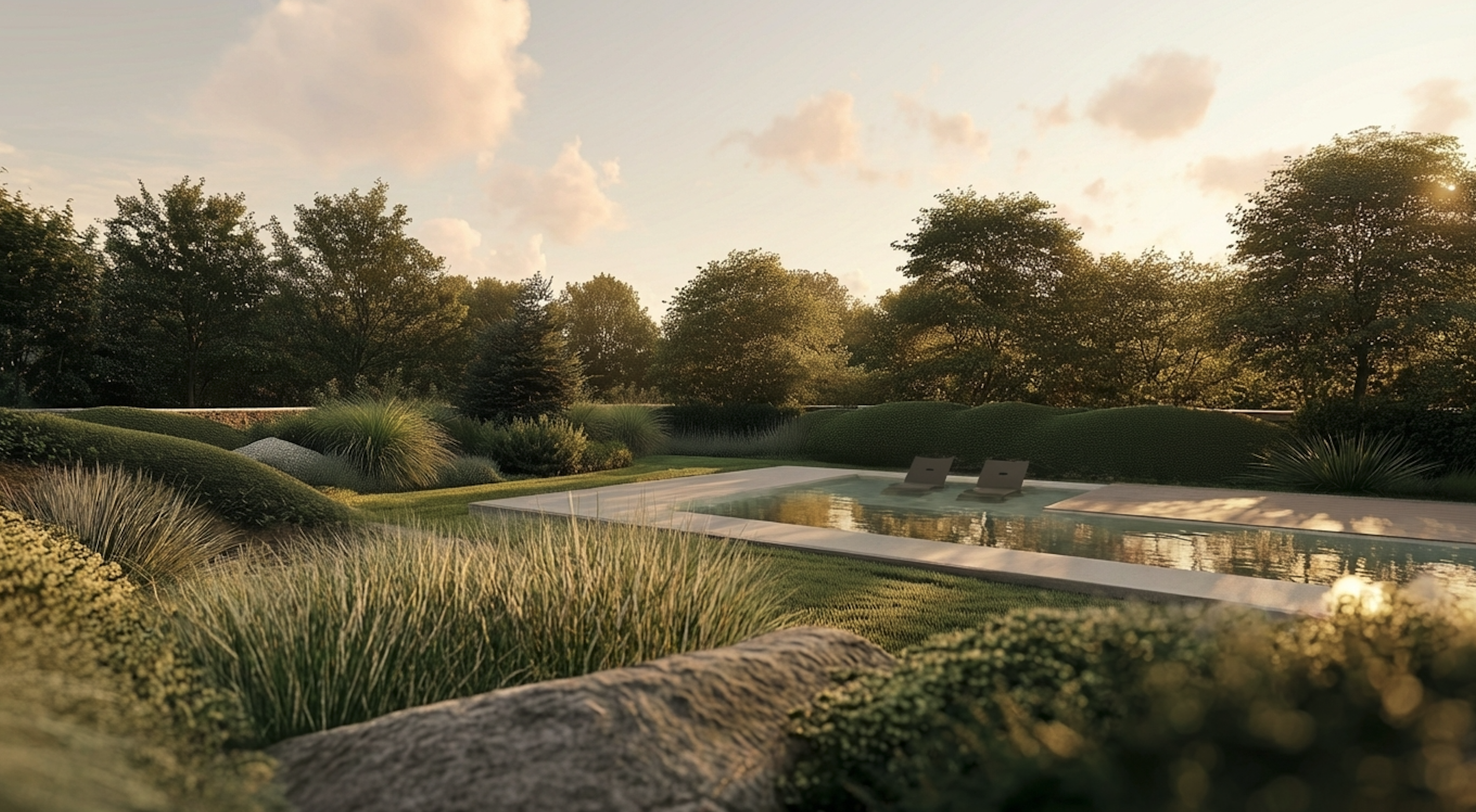
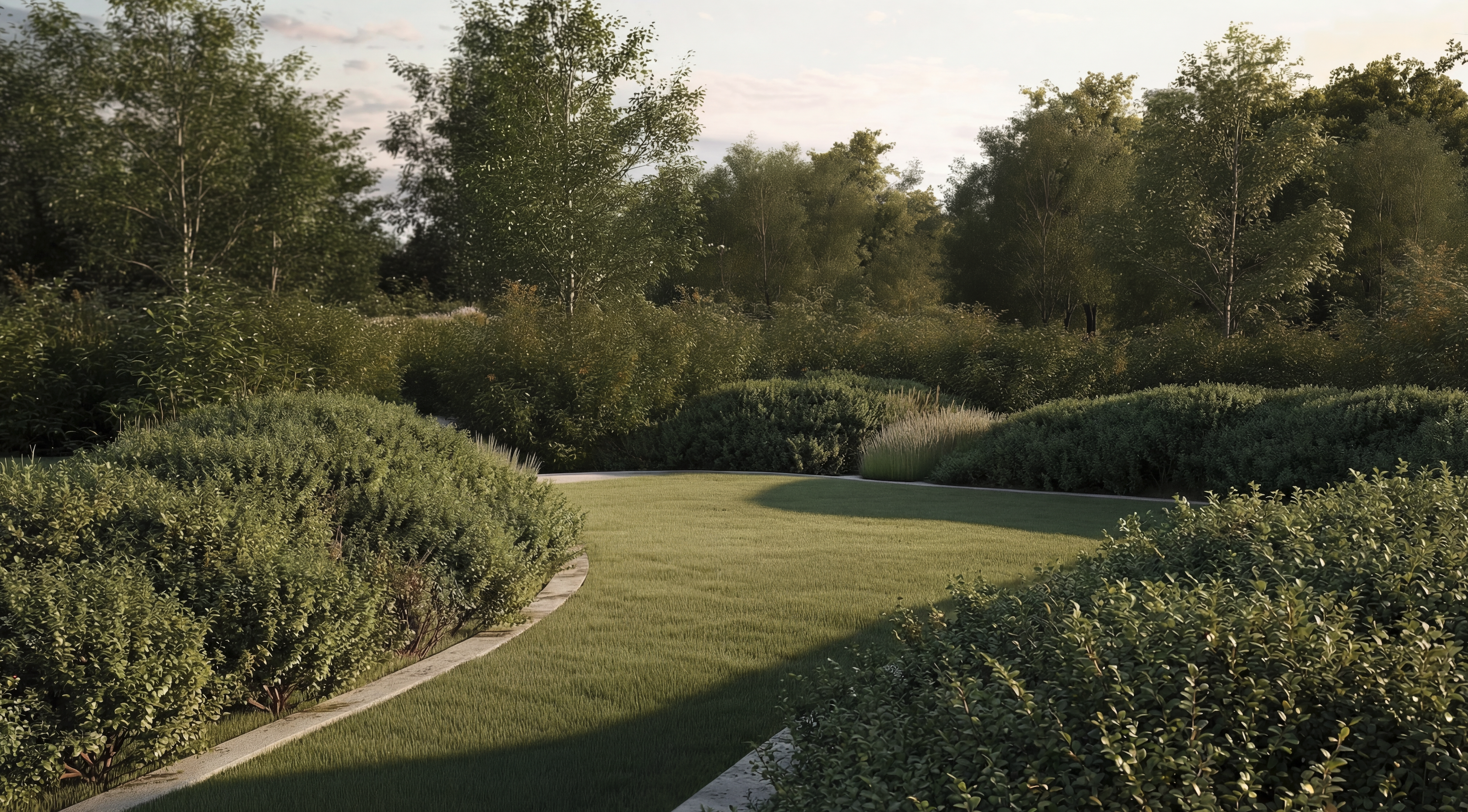
A GARDEN AMONG THE DUNES
At DSTUDIO, we understand that a beach house is far more than just a holiday retreat — it’s a place where memories are created and where one seeks a quiet refuge from daily life. Our experience with coastal projects allows us to design outdoor spaces that reflect the personality, rhythm and aspirations of each client. We aim to go beyond conventional garden design, crafting landscapes that, with care and dedication, become truly livable works of art.
Every detail — from plant selection to spatial organisation — is thoughtfully considered to achieve a seamless synergy between the home and its surroundings. As landscape designers, we are committed to strengthening this connection with nature, elevating the aesthetic and emotional value of the exterior space, and creating environments that invite everyday use, contemplation and social interaction.
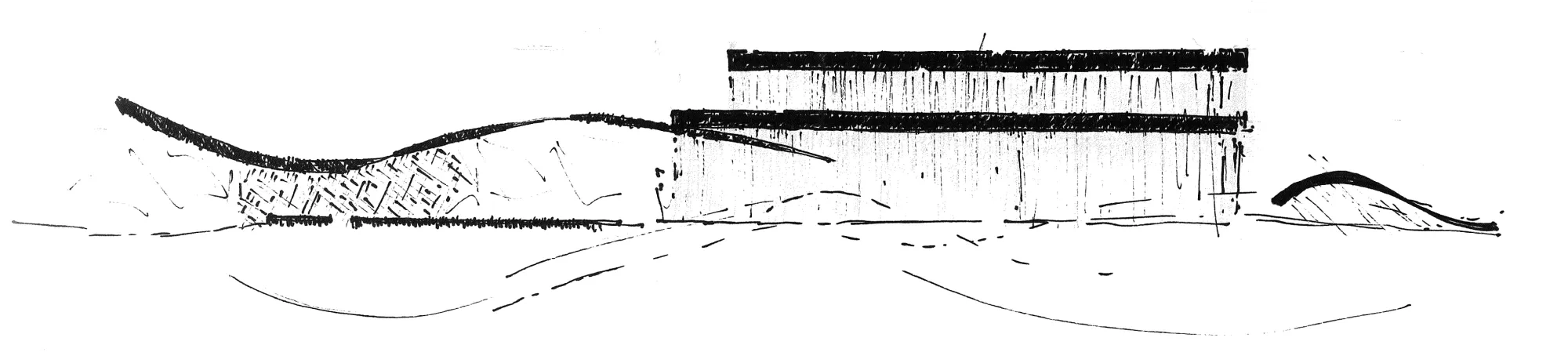
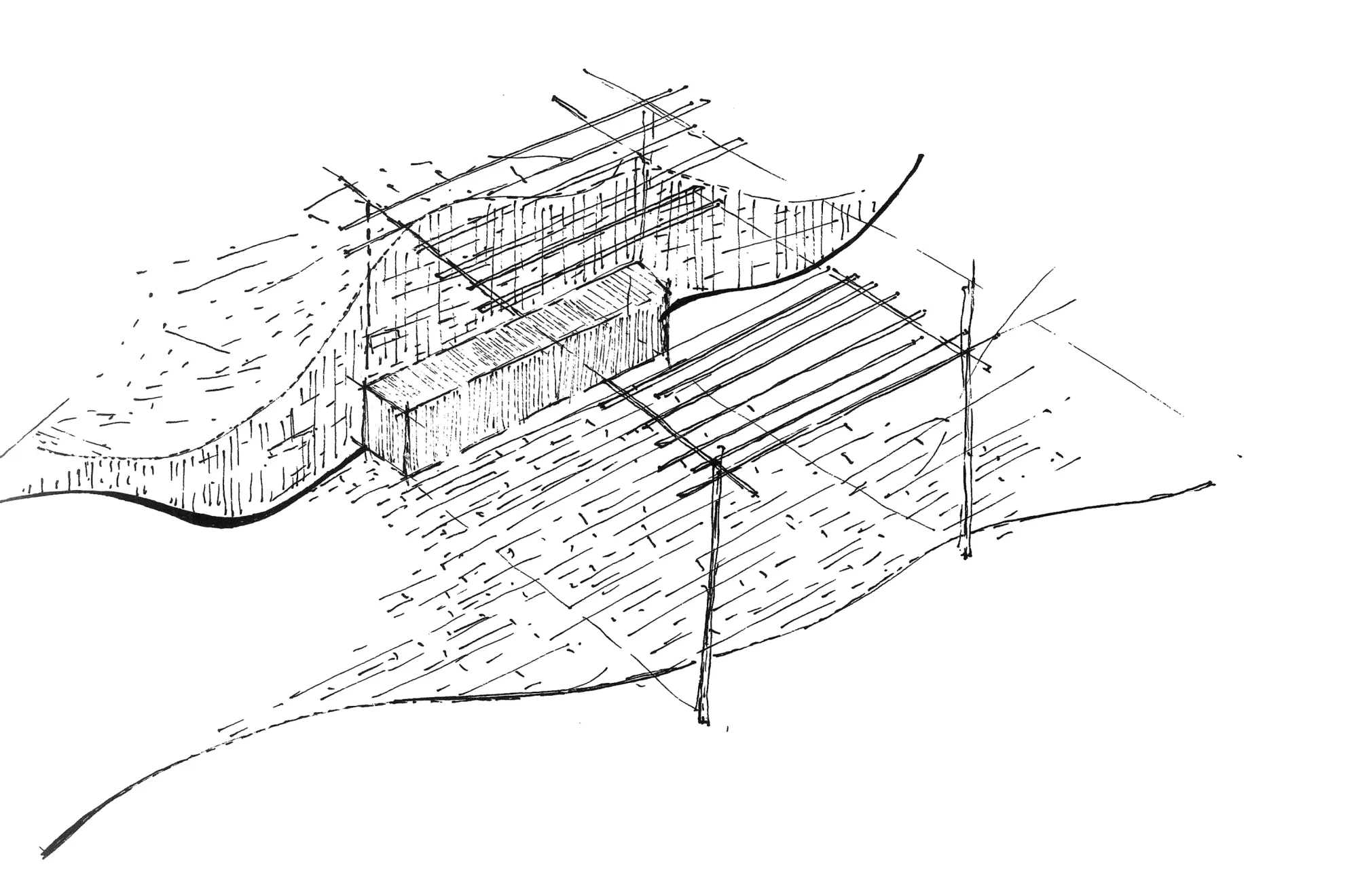
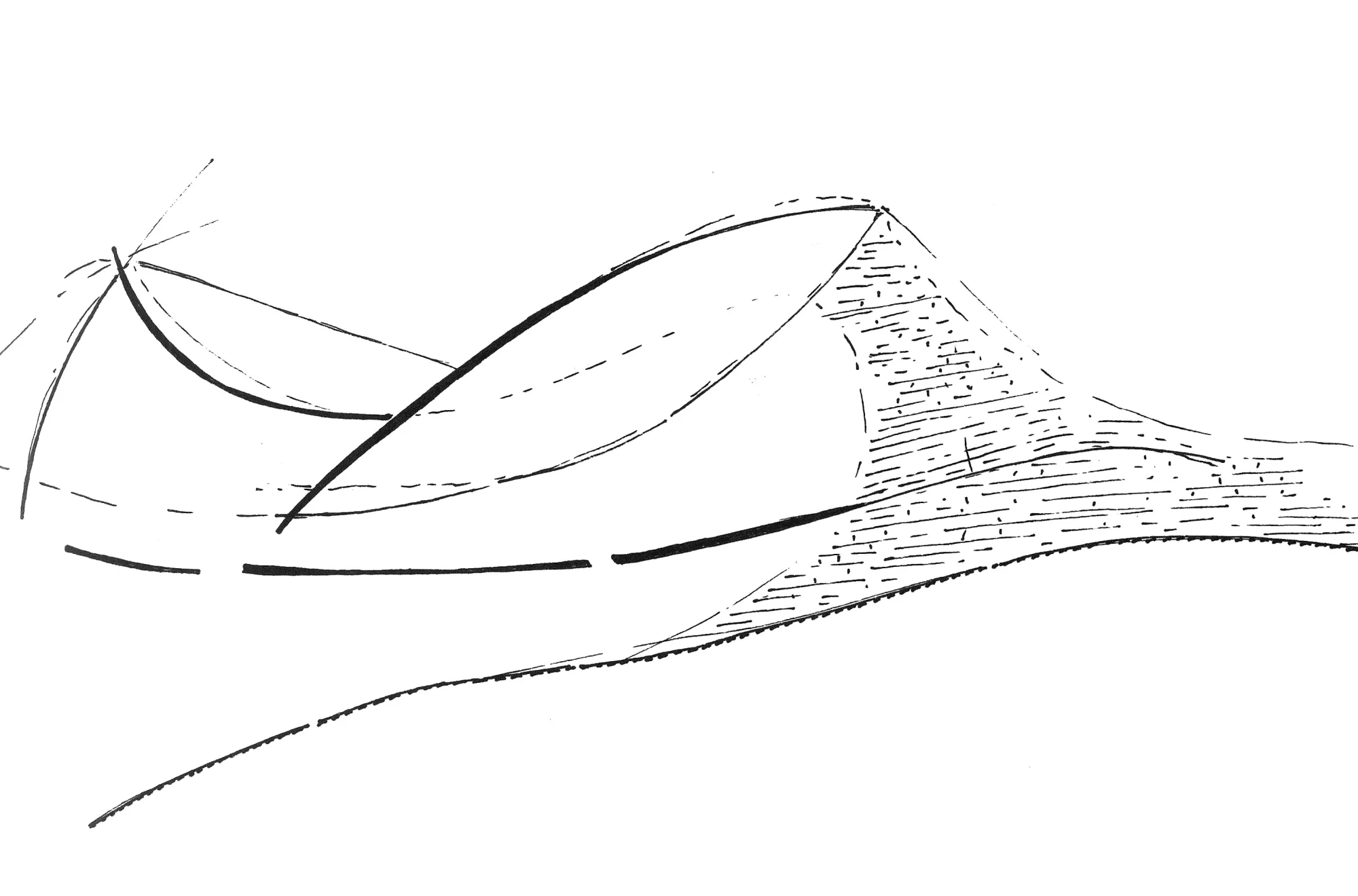
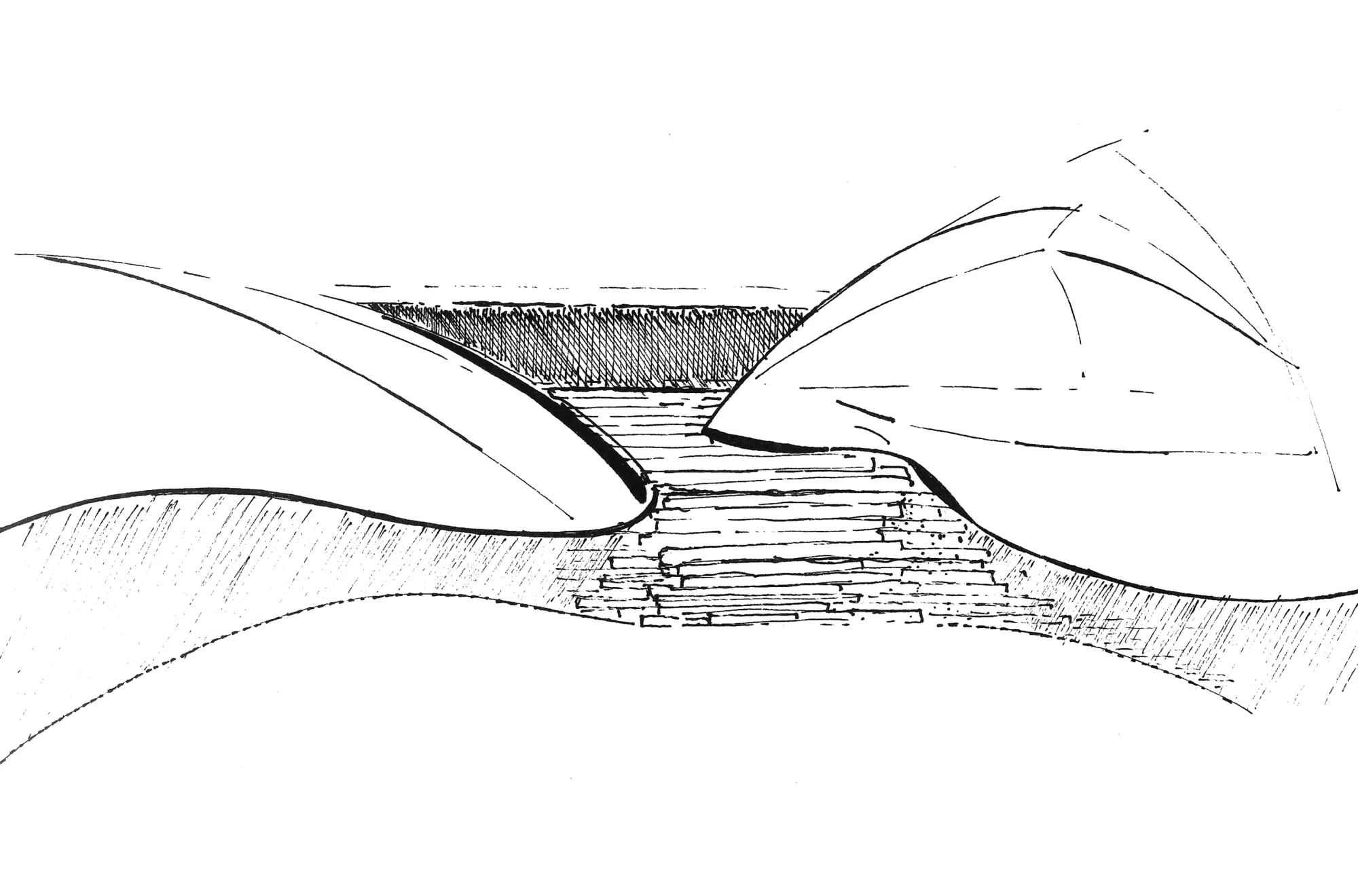
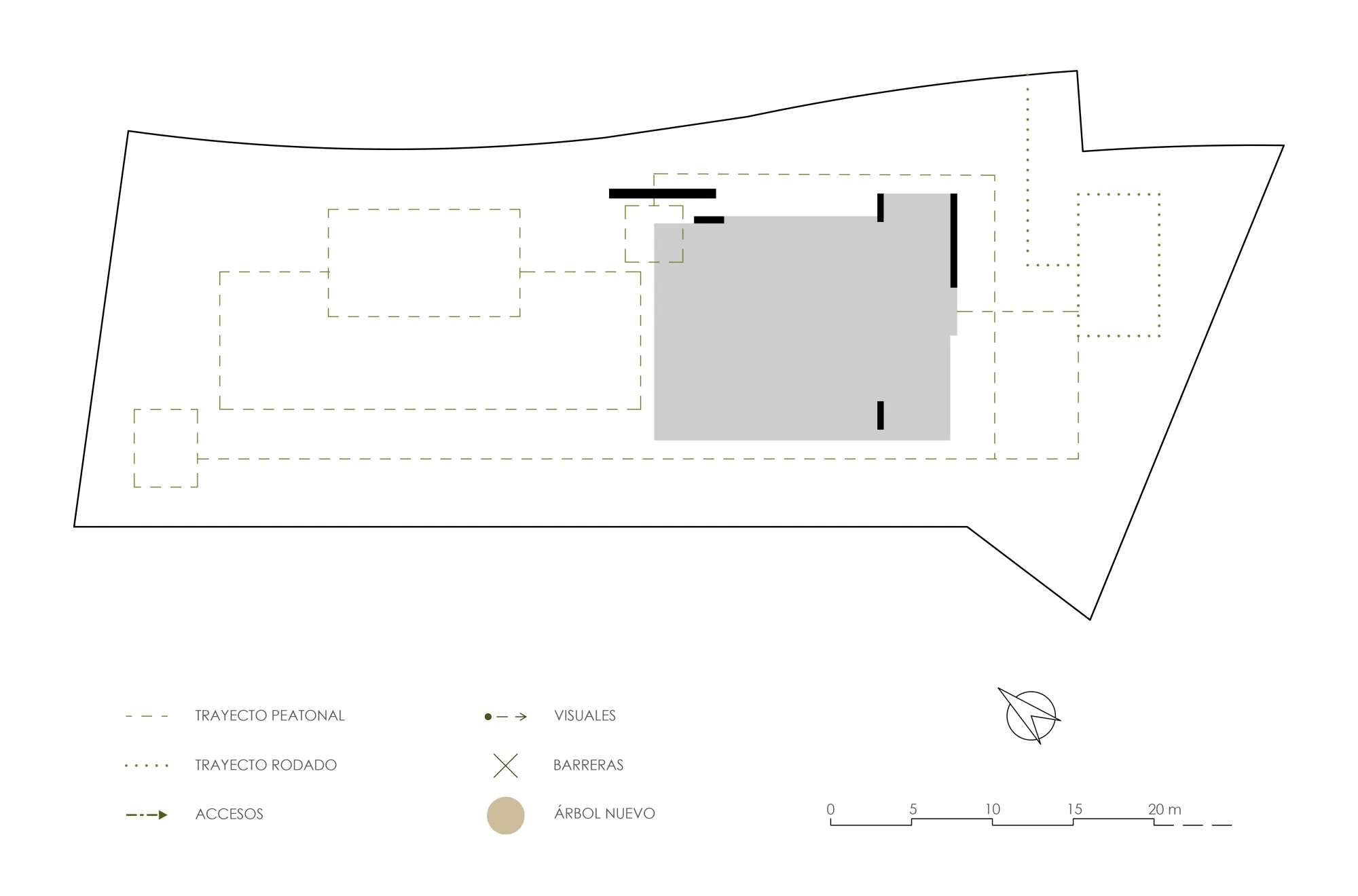
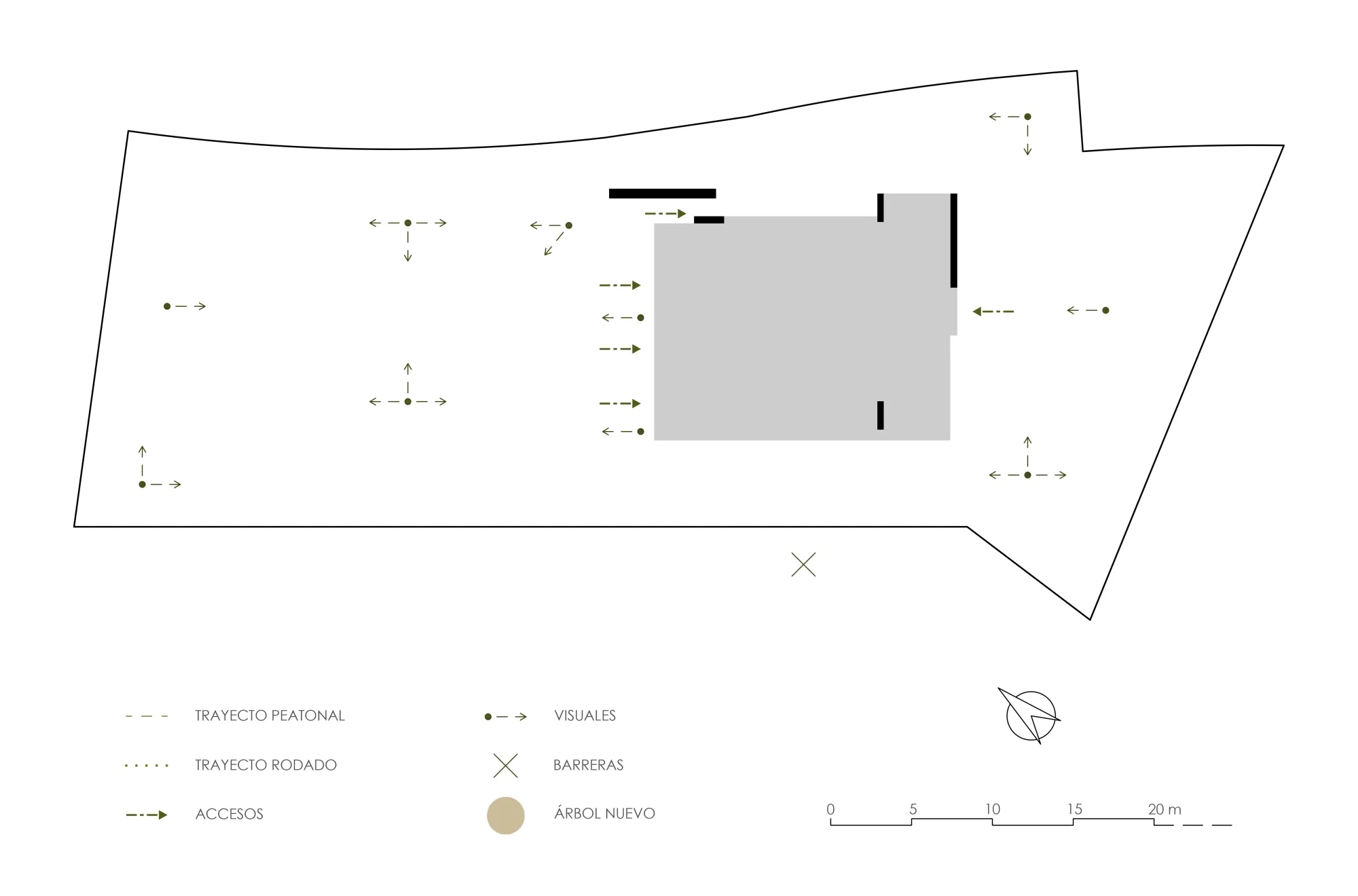
The Setúbal dunes, south of Lisbon (Portugal), form a delicate and unique ecosystem where biodiversity is a treasure that must be protected. At DSTUDIO we have designed a space that respects and enhances the original landscape, minimising the impact on this protected environment. From the very beginning, our approach has been to honour the landscape and its values. Our garden needed to soften the visual impact of the construction and create a seamless relationship between the house and its surroundings. The design focuses on a series of carefully planned artificial elevations, strategically shaped to generate viewpoints that highlight both the architecture and the broader landscape. | These green dunes also allow us to create small retreats and seating areas that subtly echo the history of the place. Throughout every stage of the project, our primary concern has been to minimise any potential disruption to the ecosystem caused by future construction. The use of permeable surfaces in areas intended for vehicle access has been a strategic decision, reducing the impact on the landscape and allowing natural water flow. In addition, the selection of native, coastal-resistant plant species — similar to those naturally found in dune environments — ensures full integration with the surrounding ecosystem and simplifies long-term maintenance. |
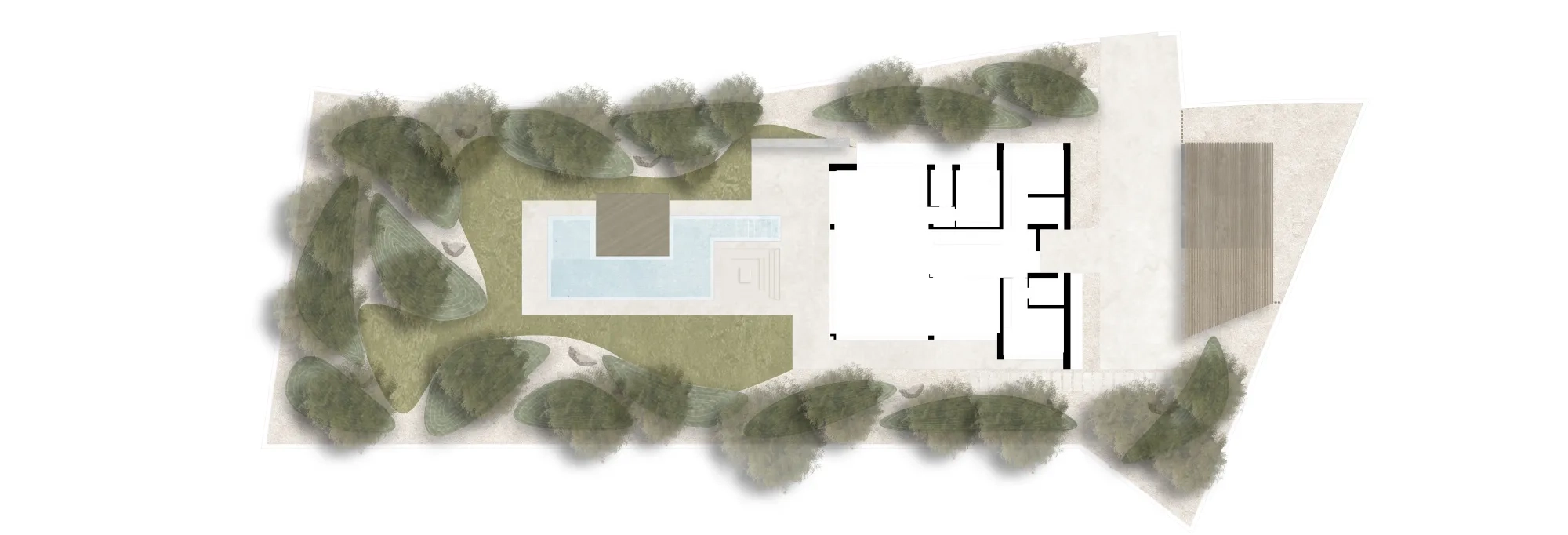
DESIGNING A GARDEN WITH WIND
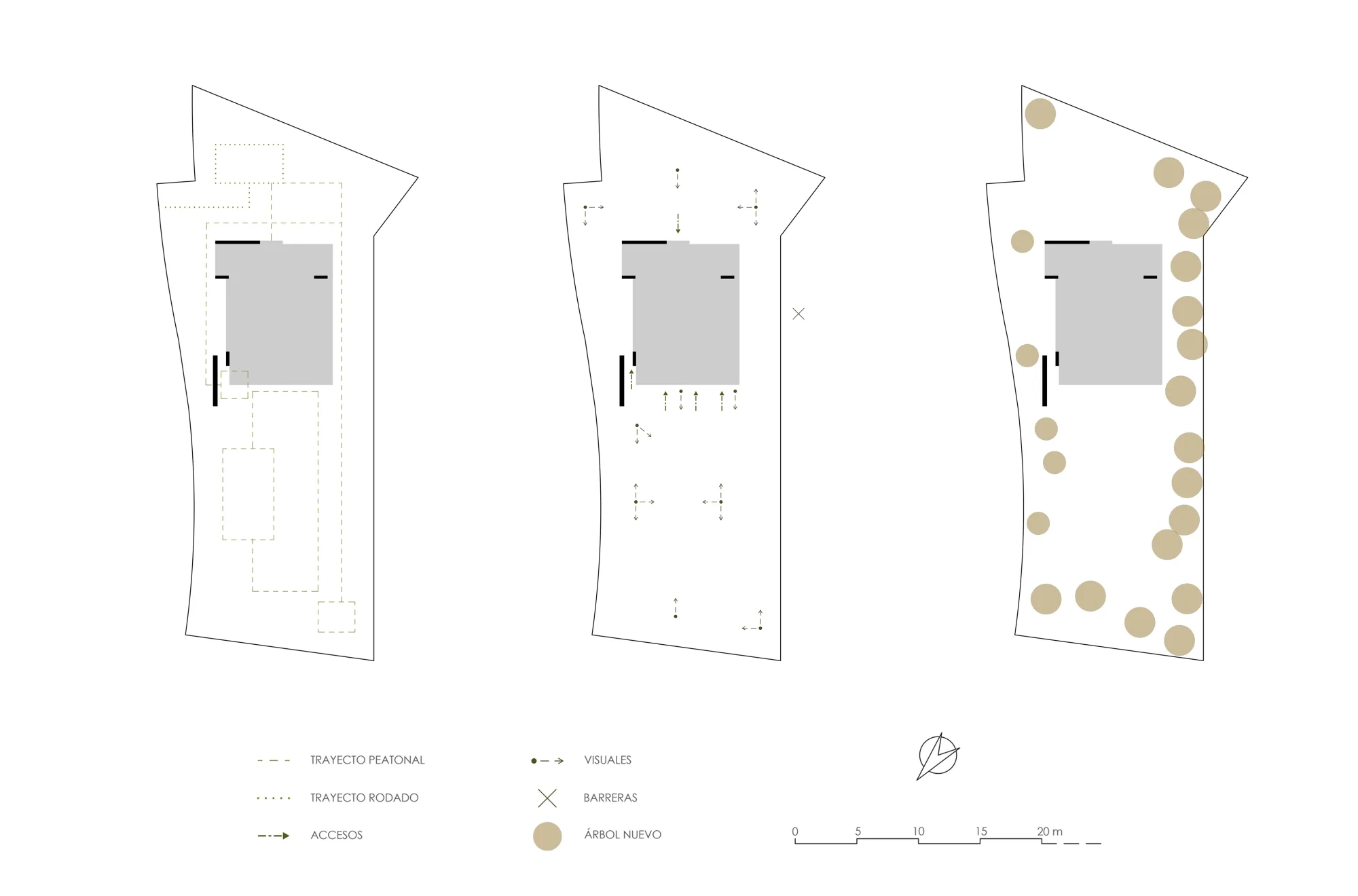
Aware of the importance of wind in seaside homes and its influence on the quality of life of their inhabitants, we carefully studied the dynamics of the prevailing winds in the area and their impact on the different areas of the garden. This understanding allowed us to design high-quality living spaces, strategically protected from harsh weather conditions and offering a pleasant environment for enjoyment and relaxation. The combination of these elements results in a project that preserves and celebrates the natural landscape of the dunes of Setúbal without sacrificing the elegance and comfort of the space. This garden among the dunes reflects our commitment to sustainability, offering an exclusive and environmentally respectful setting to enjoy a luxury second home by the sea.
ABOUT MAYA LIN
Maya Lin (1959) is an American artist, architect and designer whose work has transformed the way we understand the relationship between art, landscape and territory. She gained international recognition at a very young age after winning the competition for the Vietnam Veterans Memorial in Washington in 1981, a project that redefined the concept of the contemporary monument through a minimal intervention deeply integrated into the ground.
Throughout her career, Maya Lin has developed a distinctive language in which the landscape itself becomes the material of the project. Her works explore topography, water, wind and the natural dynamics of the territory, translating these phenomena into soft and continuous forms that can be experienced by the visitor. In projects such as Wave Field or Storm King Wavefield, Lin shapes the terrain to generate undulations inspired by the movement of water, creating sculptural landscapes where art and nature merge into a single spatial experience.

Rather than imposing an artificial form on the territory, her work seeks to reveal the underlying logics of place, interpreting the natural forces that have shaped the landscape over time. Human intervention thus appears as an extension of the territory itself, generating spaces that feel natural while being deeply designed.
This way of understanding landscape becomes a conceptual reference for the project of the garden between dunes in Portugal. As in the work of Maya Lin, the design is built from soft forms that engage with the existing topography and with the natural movement of the dunes. The garden does not attempt to dominate the coastal landscape, but rather to integrate into it, interpreting its curves, its scale and its relationship with wind, sand and vegetation.