A natural, understated garden for the whole family
Date
2023-2024
Location
Madrid (Spain)
Type
Residential
Trees
15
Area
2.000 m²
Status
Built
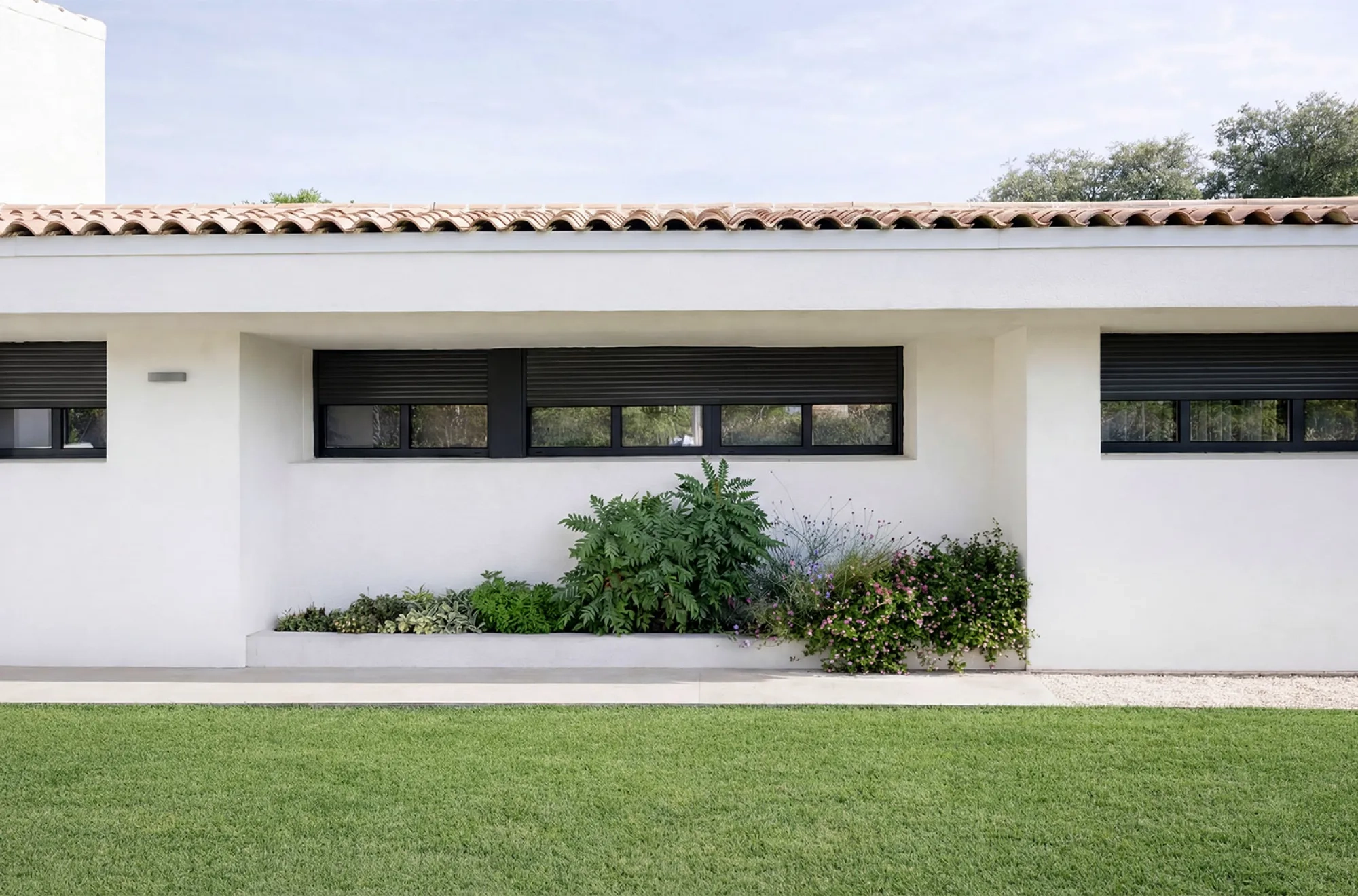
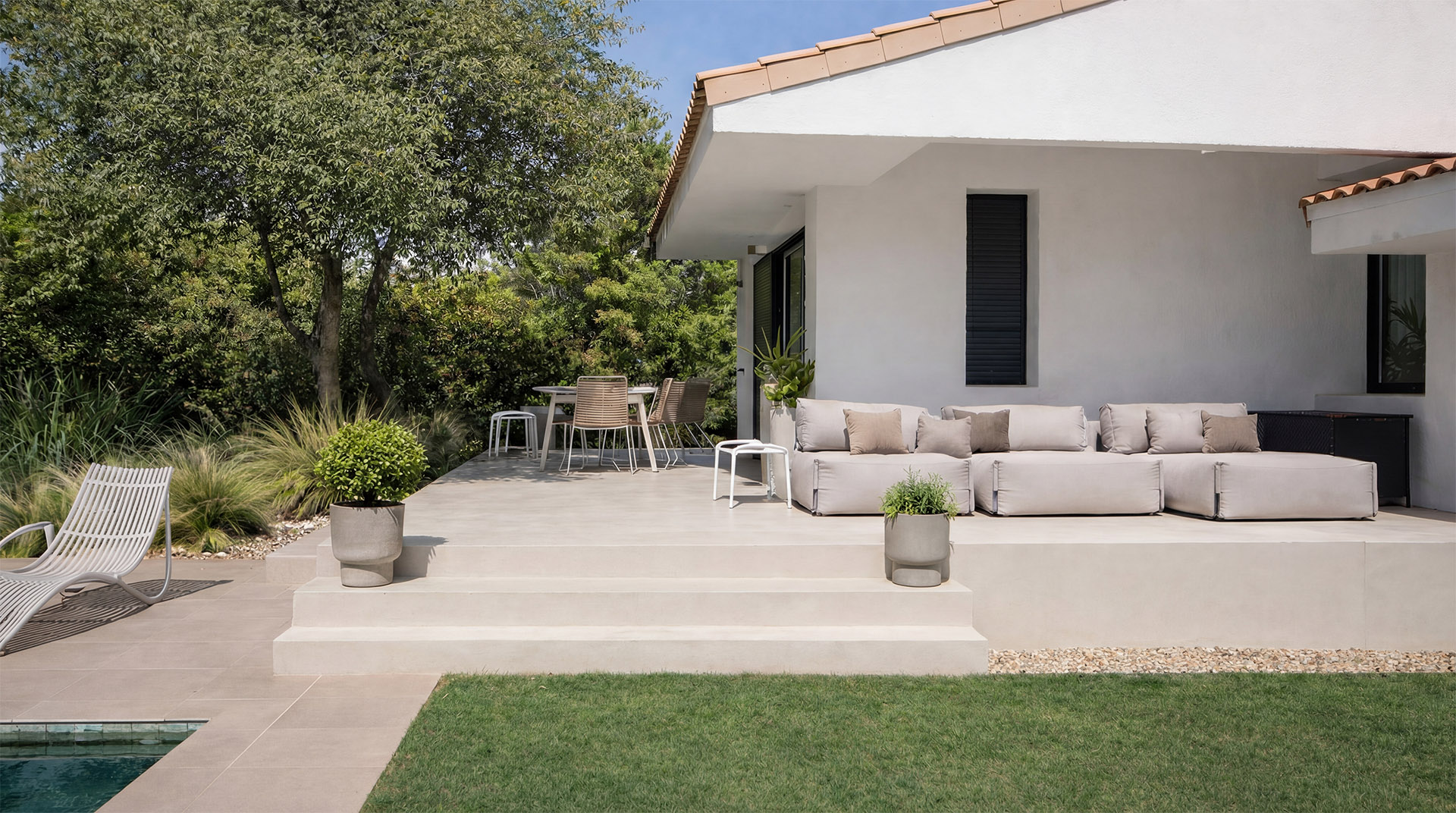
The design of this garden emerges from a reflection on the relationship between form and space. Drawing on the sculptural sensibility of Barbara Hepworth, the project conceives the garden as a composition of gentle curves, where mass and void articulate the spatial experience. The garden’s forms respond to the existing architecture, extending its lines and unfolding a sequence of spaces that balance a strong artistic and sculptural expression with the demands of everyday use.
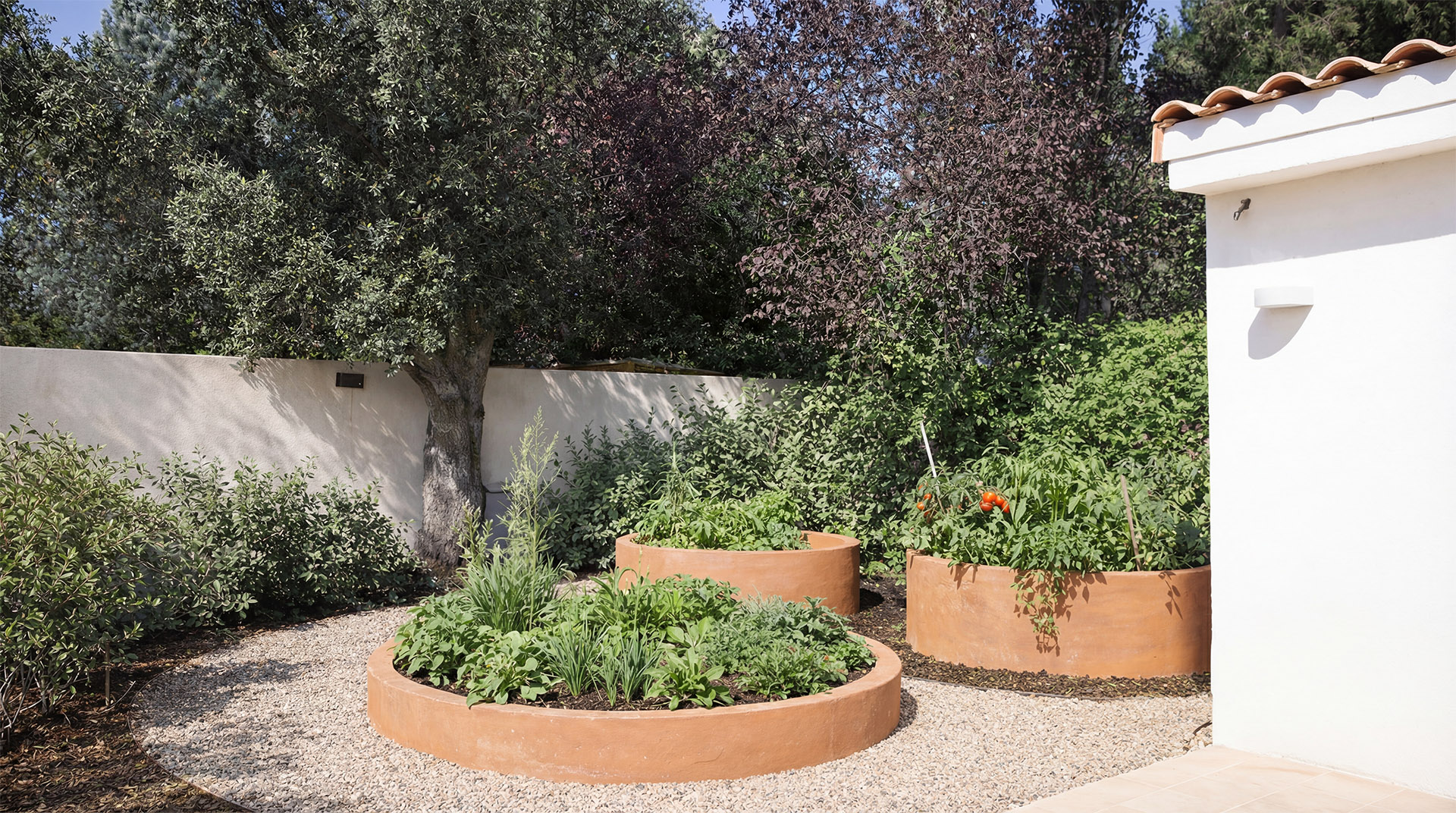
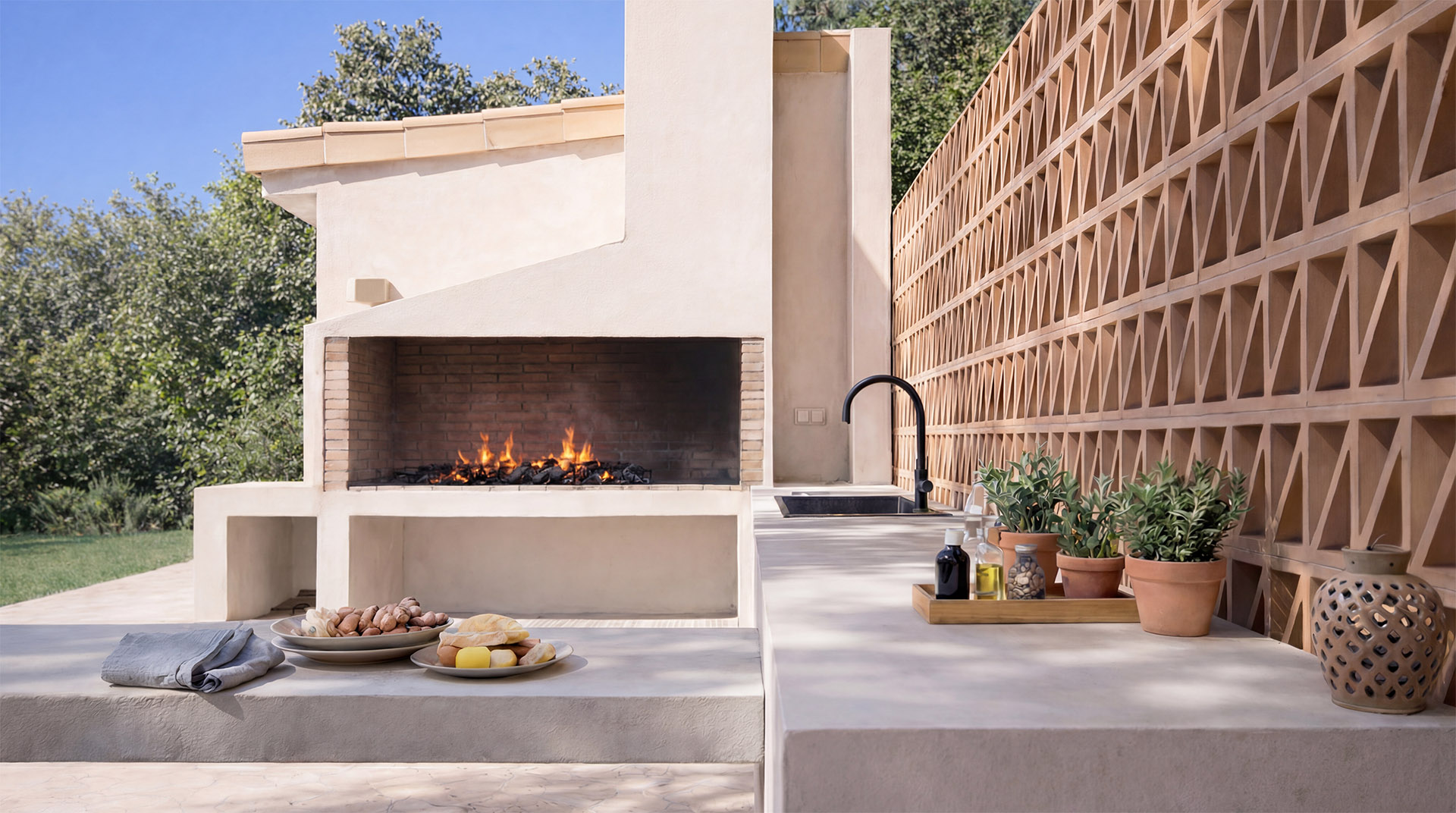
A FUNCTIONAL GARDEN FOR THE WHOLE FAMILY
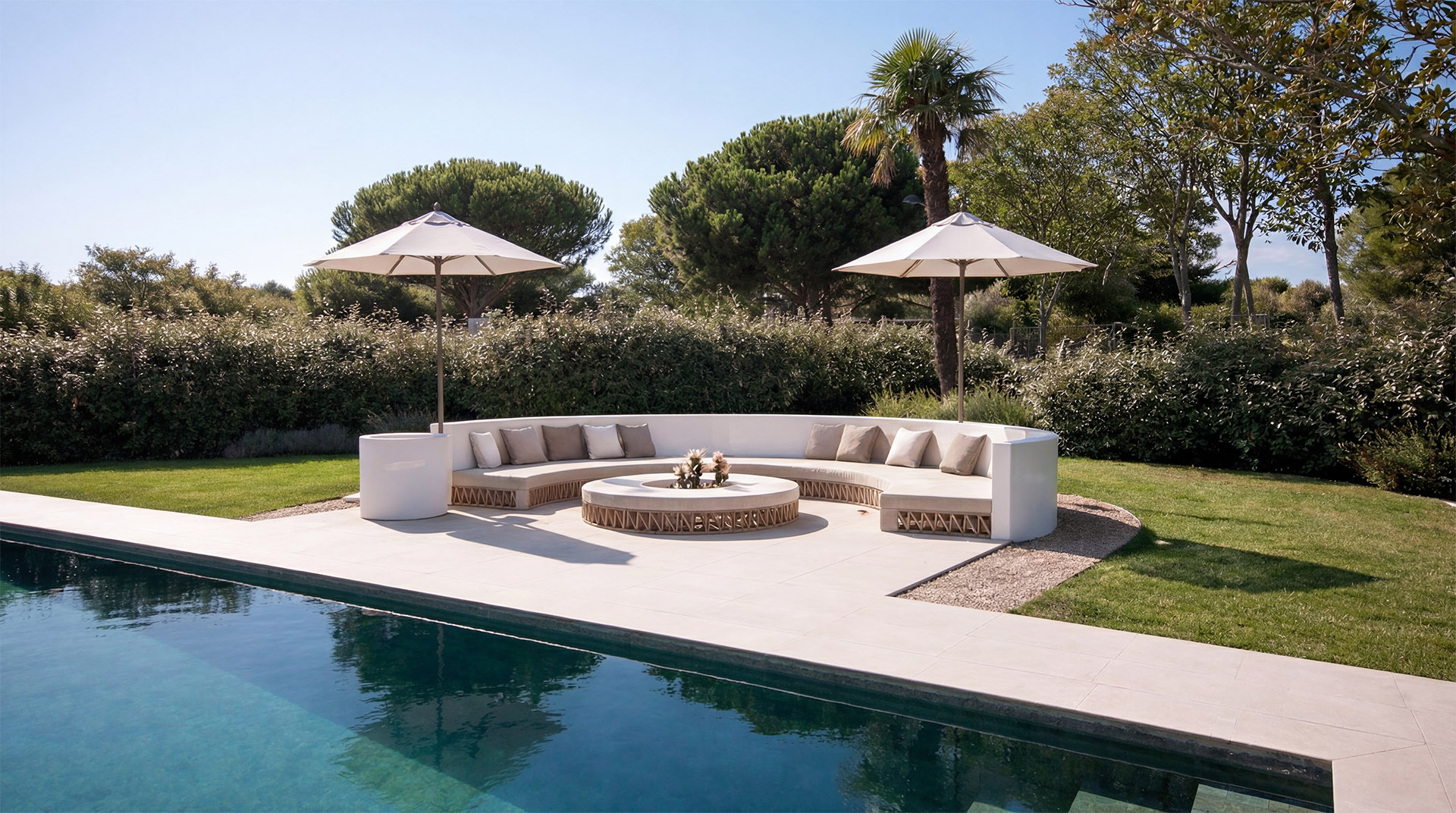
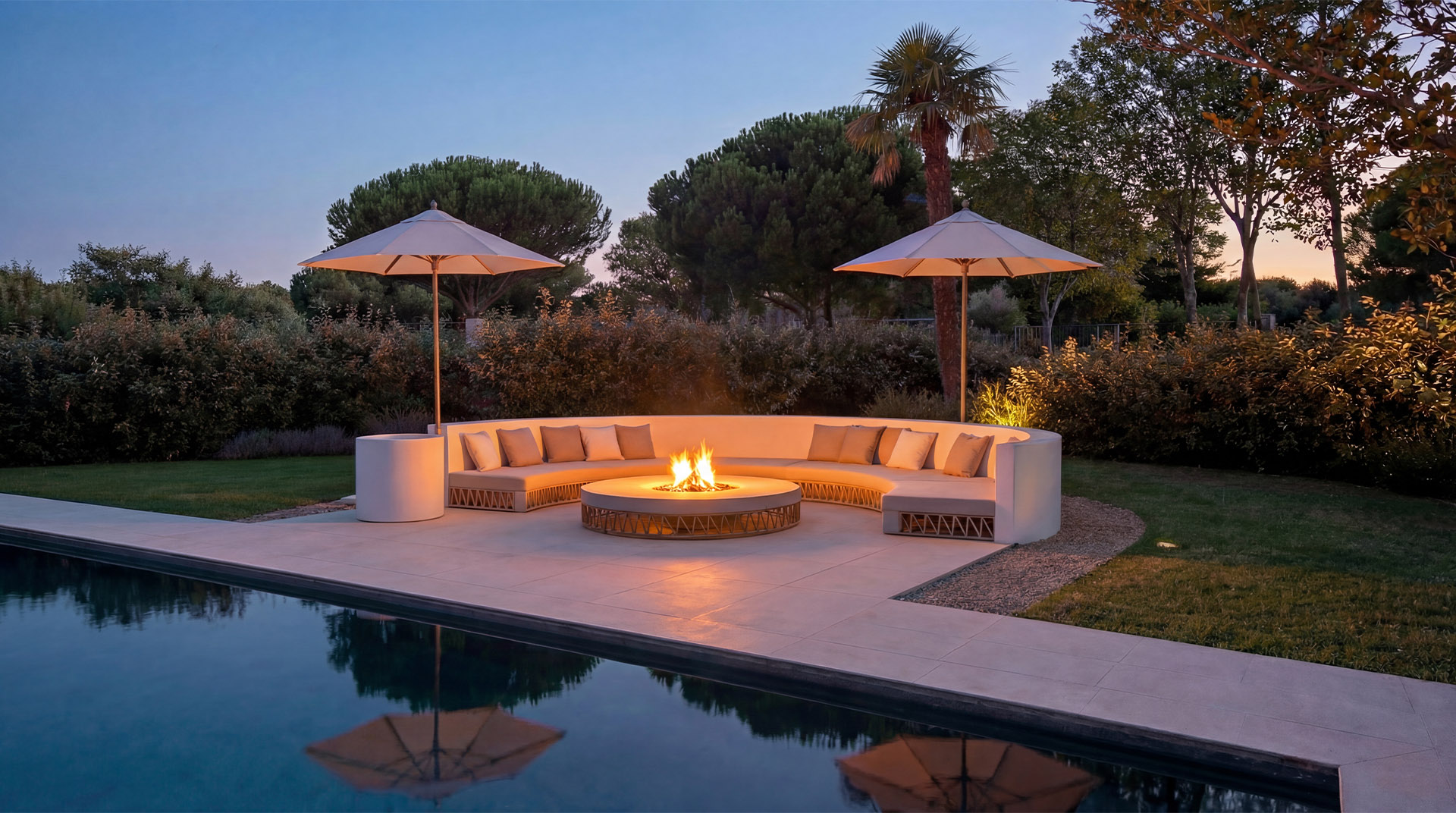
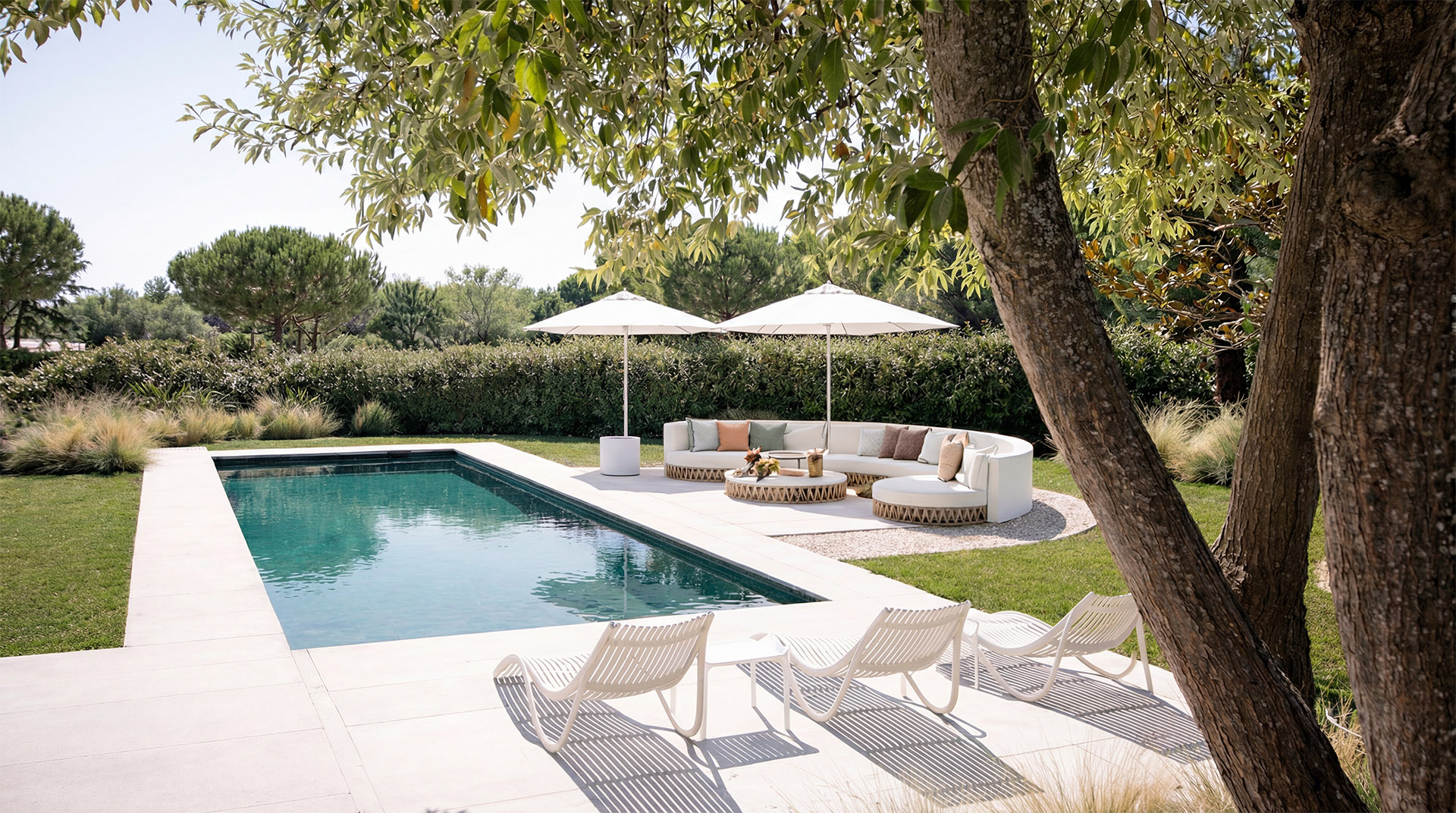
Beyond its formal dimension and its relationship with the architecture, the garden is conceived above all as a space designed to be lived in. The project responds to the needs of a family with children, where the everyday use of the outdoors is an essential part of domestic life. The plot is organised through a series of complementary spaces that allow for different ways of inhabiting the garden. The swimming pool becomes one of the main gathering points, accompanied by a semi-circular seating area with a central fire pit, extending the use of the space into the evening.
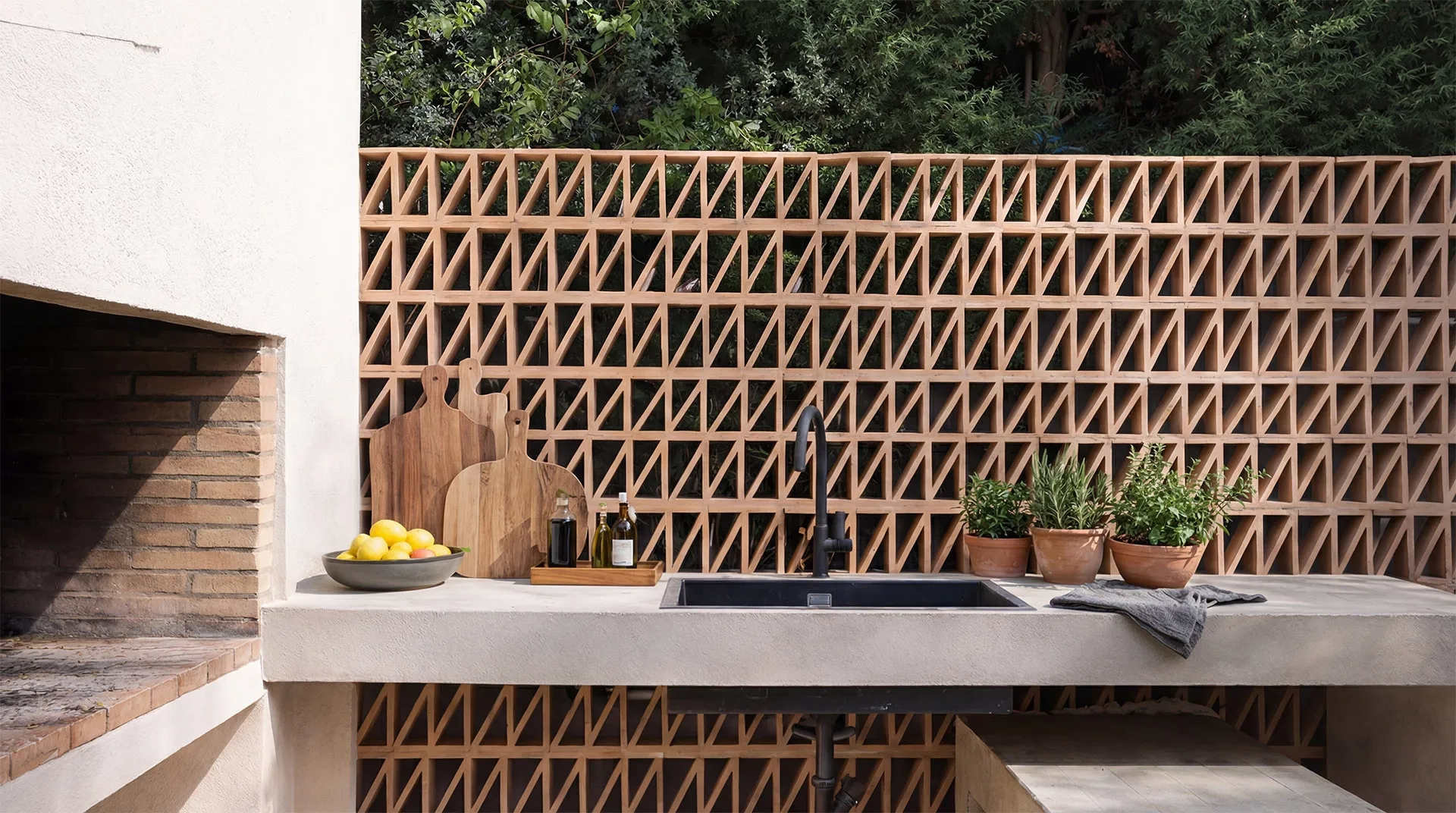
The garden also incorporates a small domestic vegetable garden, introducing a productive and educational layer to the landscape, as well as a children’s play area naturally integrated into the overall design. Close to this space, a barbecue area is arranged as an informal setting for family gatherings and social occasions. These areas are distributed in a way that coexists with more open lawn spaces, allowing both play and rest.
One of the key elements of the project is the system of paths that runs around the perimeter of the plot. These routes connect the different areas of the garden, creating a continuous circuit that allows children to run, play, or cycle, turning the garden into a dynamic and active environment. At the same time, these paths support more leisurely daily walks, offering a calmer way to experience the space. The design also considers the presence of the family’s dogs, providing generous and accessible areas, with clear routes and durable surfaces that facilitate both use and maintenance.
ON BARBARA HEPWORTH
Barbara Hepworth (1903–1975) was one of the most influential sculptors of the 20th century and a key figure in British modernism. Her work is characterised by the exploration of organic, soft and continuous forms, inspired both by the landscape and by the relationship between matter, space and void. Unlike traditional sculpture based on closed volumes, Hepworth approached form as a balance between mass and space, creating pieces in which curvature, perforation and the tension between interior and exterior construct a spatial experience.
Much of her work developed in dialogue with the landscape. Her sculptures were intended to belong to their surroundings, engaging with light, horizon and nature. In many of her pieces, form is understood as a continuous gesture that guides both the gaze and the movement of the body around the work.
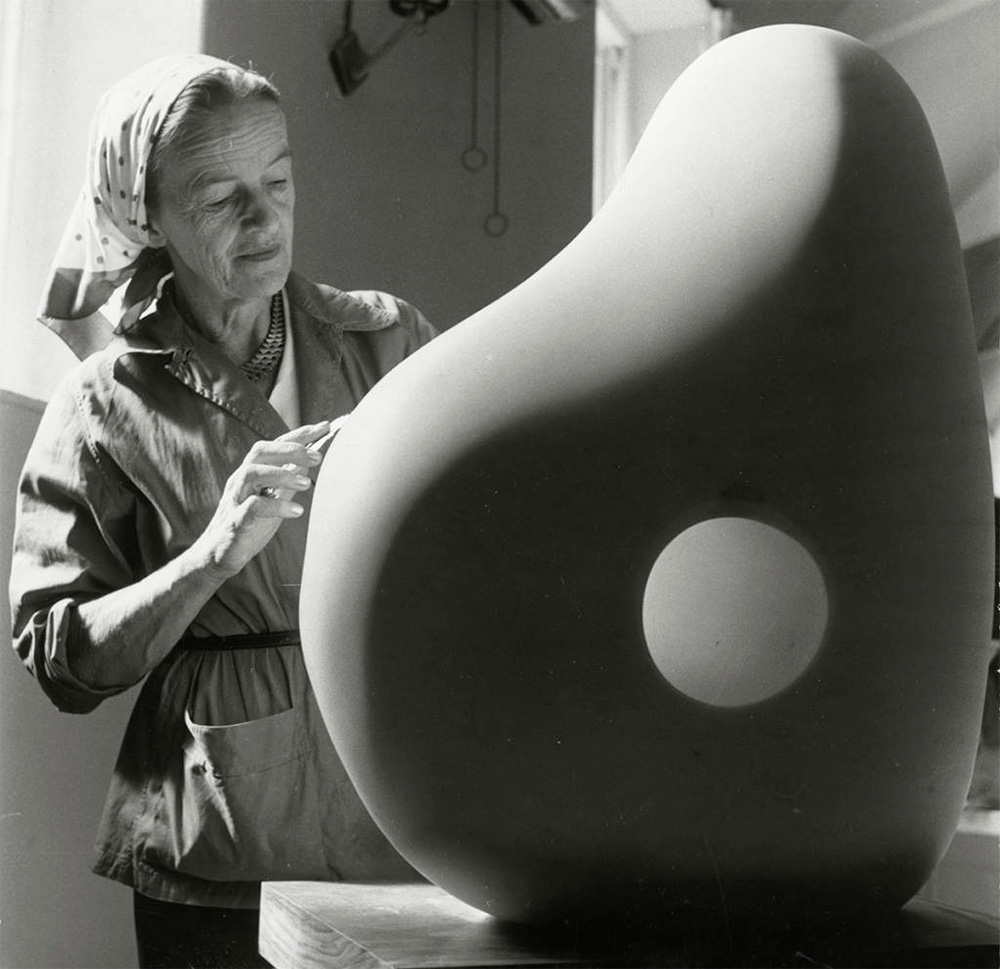
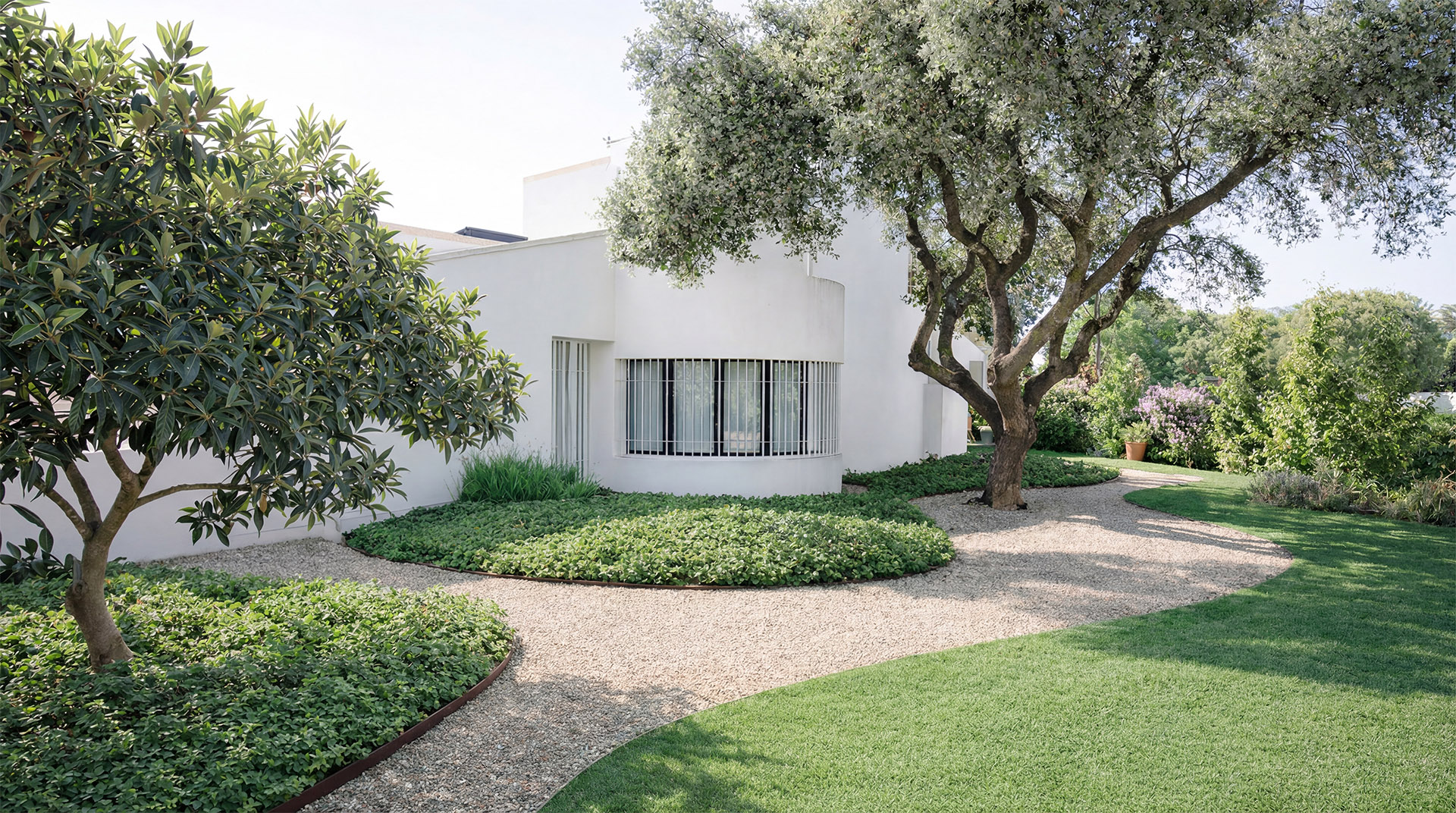
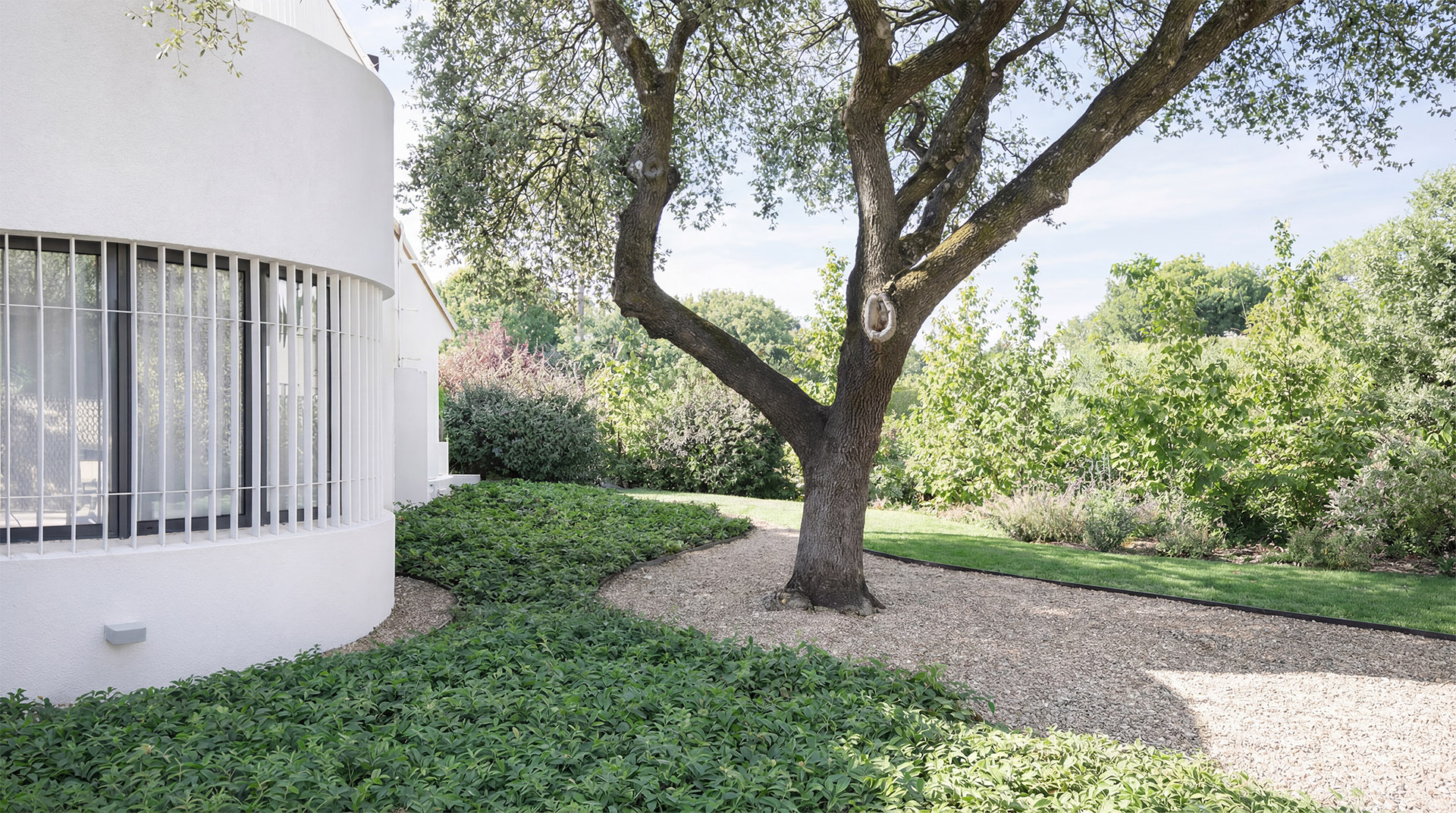
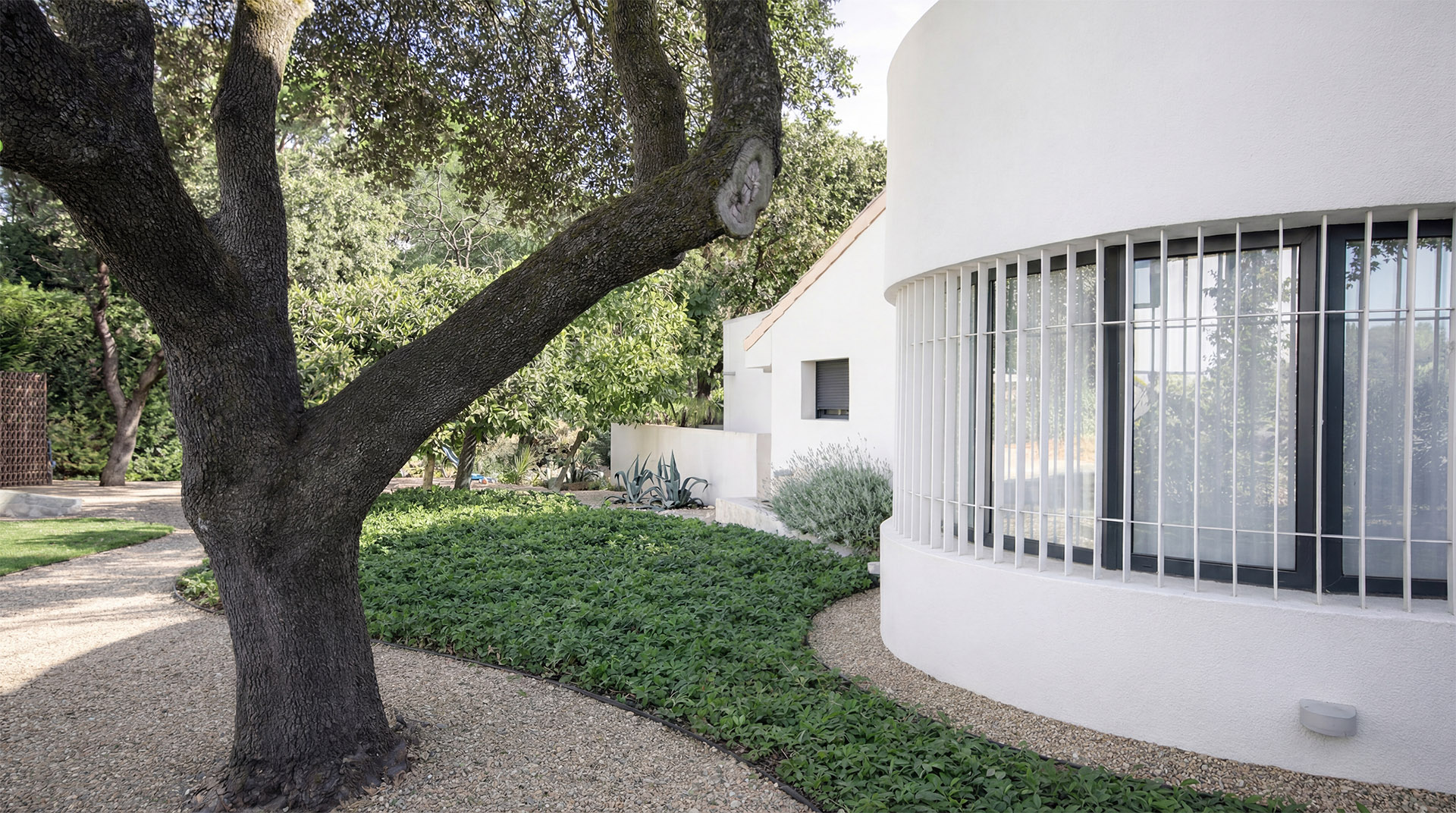
This way of understanding form has served as a conceptual reference for the design of this garden. As in Hepworth’s sculptures, the project is articulated through gentle curves that generate spaces and paths without relying on rigid geometries. Plant masses, gravel paths and lawn are arranged as plastic elements that engage in dialogue with the existing architecture, extending its lines and adapting to its forms.
Rather than a garden composed of isolated elements, the project operates as a continuous composition in which curves structure the space and define different atmospheres. The existing tree acts as a central sculptural element around which the landscape is organised, while the shapes of the ground and vegetation create a sequence of spaces designed for everyday family use. In this way, the garden does not merely accompany the architecture, but extends and interprets it, constructing a domestic landscape where form, space and use are integrated into a coherent and balanced composition.